
Climate Biennial: Where art meets sustainable transformation
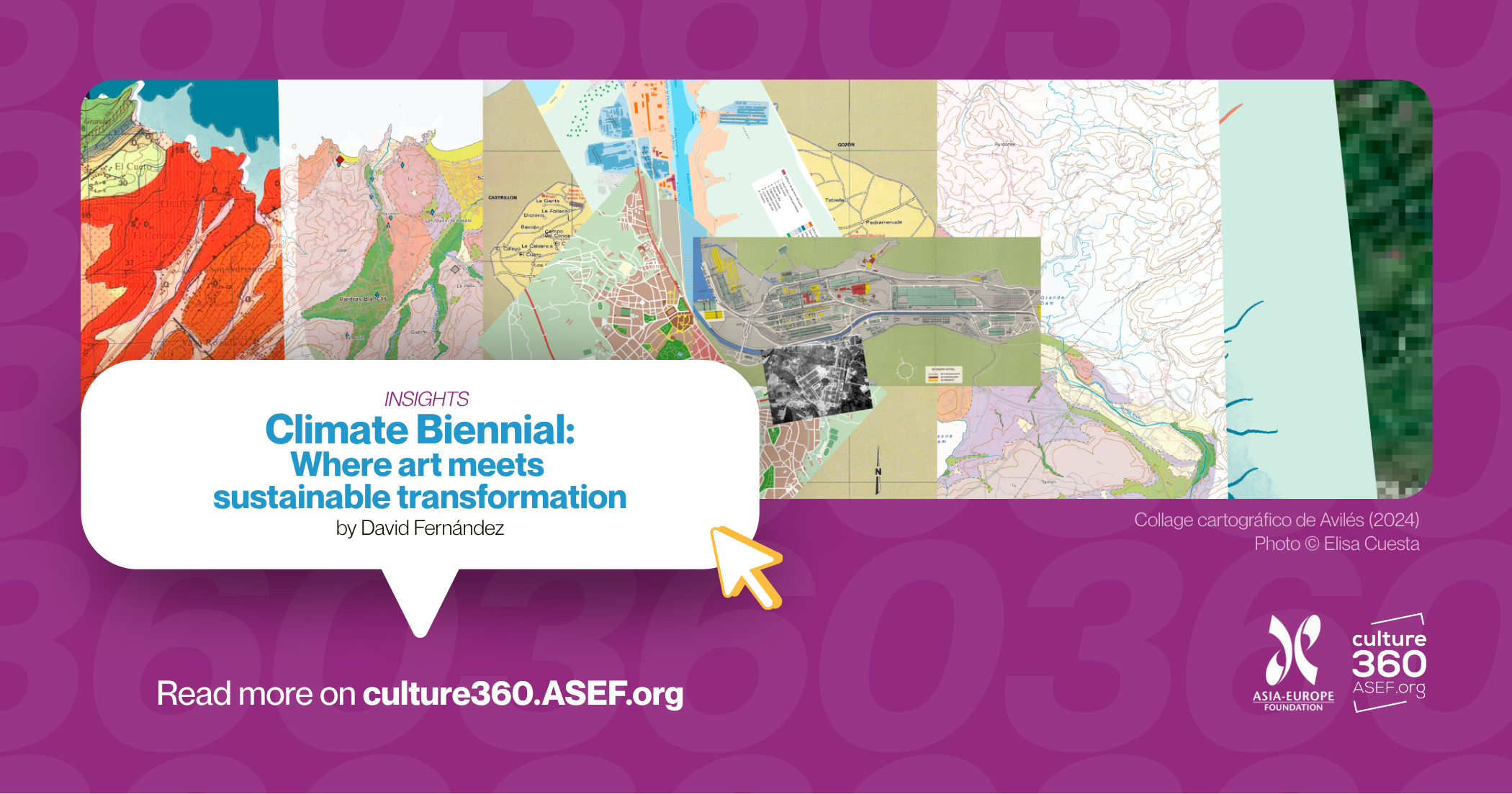
In this article, David Fernández explores the cutting-edge, forward-thinking Climate Biennial, held in the city of Avilés, in Asturias, Spain. Read about the inaugural Biennial, a multi-level, cross-sector collaborative initiative that creates an open meeting space for citizens linking artistic creation and ecological reflection.
Under the title ‘Ensayar lo inesperado’ (Rehearsing the Unexpected), the first edition of the Climate Biennial: Art, Industry and Territory, in the city of Avilés and its industrial surrounding area, from 12 June to 20 September, proposes embracing uncertainty as a space for action, collectively exploring new ways of relating to one another and to the environment.
In recent decades, Avilés has undergone significant urban and environmental renewal, transforming former industrial areas and investing in culture and tourism. Today, Avilés is known for its well-preserved medieval old town, active port, industrial heritage, and growing cultural scene, making it an important economic and cultural center within Asturias. A key symbol of this transformation is the inaugural Climate Biennial, held in Avilés for the first time in Spain.
A meeting place in northern Spain’s green coastline that brings together different artistic initiatives, with a shared purpose: to create a new model of artistic production and communication to address the multiple challenges of the ecological transition. A sustainable model capable of spreading innovation and attracting resources that will bring together contemporary art, industrial heritage and public participation
The Biennial is the result of a partnership between various institutions, spearheaded by the Ministry of Ecological Transition and the Demographic Challenge, the Ministry of Culture, the Ministry of Housing and Urban Agenda, the Principality of Asturias, Avilés City Council and the Atelier itd Foundation. It also receives support from the Daniel and Nina Carasso Foundation and the Community Arts Lab by Porticus.
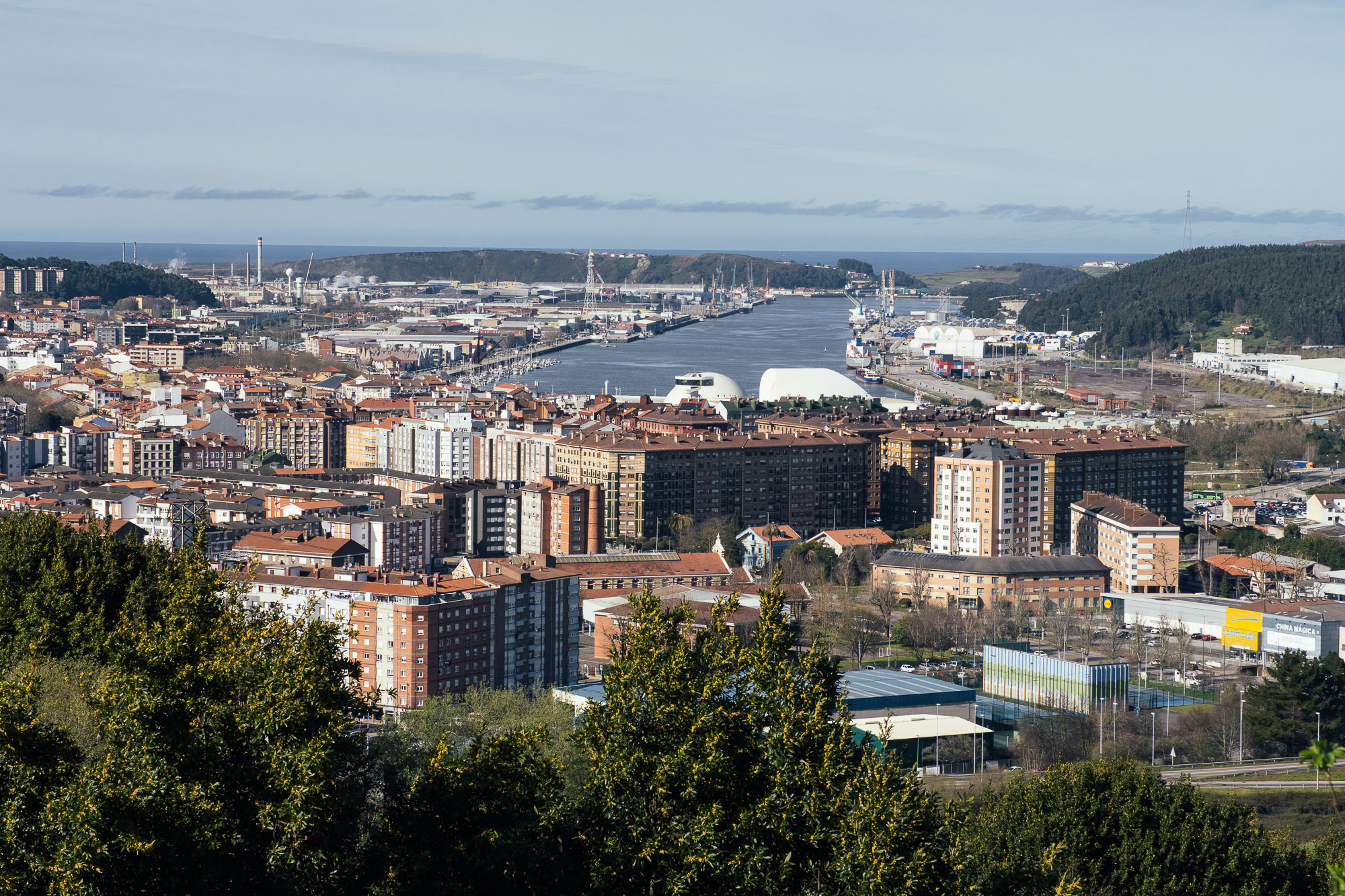
1. Panorámica Avilés (2026). Photo © Nico Rodríguez.
Art as an instrument for climate reflection
One of the project’s distinctive features is the use of urban spaces linked to the industrial and cultural history of Avilés. From 12 June to 20 September, the Climate Biennial runs an exhibition itinerary across 13 venues throughout the city, showcasing dialogic exhibitions and an extensive public program addressing issues of territory, industry, and democratic co-existence.
More than 60 activities open to the public will animate the city throughout the 100-day period: performances, territorial walks, cinema, workshops, radio, citizen laboratories and collective gatherings. A programme designed to explore the city-surroundings of Avilés through new ecological perspectives and to connect art, industry and everyday life. Together, these initiatives form a network of practices and relationships intended to endure over time.
We start from a specific diagnosis: we are living in a time of multiple, intersecting transitions — ecological, technological, cultural, emotional — and the frameworks we once relied on for guidance have worn thin. Against this backdrop, continuing to live together and resisting despondency becomes a demanding task. And what guides a transition — what determines whether it leads to destruction or openness, whether it leaves communities behind or brings them together — depends largely on our collective capacity to imagine other possible worlds. Rehearsing the Unexpected is a test, a learning process we undertake collectively and in the present, yet one that is already shaping the future. It does not propose a destination or a solution. It proposes a way to navigate the transition and face uncertainty.
- Amanda Masha, Artistic Director of the Climate Biennial
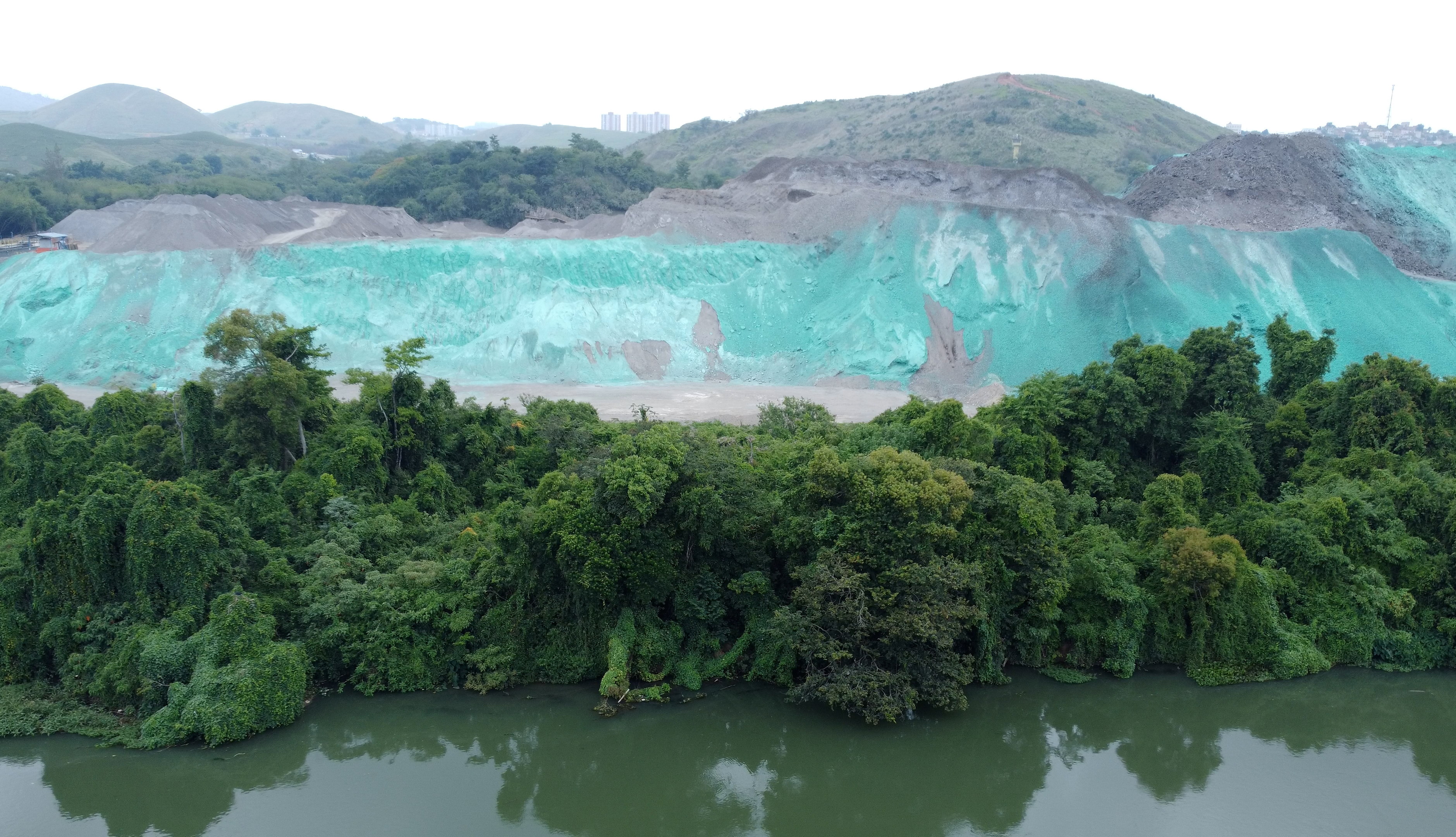
2. The Labour that Remains, Massimiliano Mollona & Olivier Ressler (2026). Photo © Massimiliano Mollona & Olivier Ressler.
A cultural laboratory to imagine the future
The Climate Biennial is an event that seeks to imagine and activate new ways of inhabiting the world in the face of local challenges and global dynamics, particularly in relation to environmental emergency and the social climate. It emerges as an environmental hub, empowering artists, scientists, businesses, communities, public institutions, and social organisations to merge ecological activism with creative practice.
Inspired by the idea that utopia is not a distant horizon but a collective practice in the present, it is designed as a nomadic, decentralised, collaborative, sustainable, playful, possibilistic, and accessible biennial.
The symbolic realm is where the conditions that make action possible are formed. Climate consciousness and the action it eventually produces are mediated to a very large extent by symbolic issues: by the imaginaries at our disposal, by what we are capable of desiring or fearing, by the stories we tell ourselves about who we are and what future is possible. This mobilised capacity of the symbolic is well known to environmental movements, for example, as they have made frequent use of art, performance and symbolic acts. Art does not operate in a direct or immediately quantifiable way, but it has the capacity to encode imaginaries, to prefigure other forms of organisation, to make visible what is not evident, and to render desirable what we do not yet know how to articulate. Historically, profound cultural changes have first required someone to imagine them.
- Amanda Masha, Artistic Director of the Climate Biennial
An artistic showcase focused on current transformations
The exhibition programme is structured around three main themes: Weather Station, Present Industries and Grief and Joy, connecting contemporary art, industrial memory, ecology and territory. Many of the 40 national and international artists selected as part of the programme are involved in activities linked to academic research, collaborations with scientific institutions or with communities. Some also have an activist dimension, as a feature of their work, not a selection criterion.
The selection is deliberately diverse in terms of media, languages and sensibilities: we were not seeking stylistic coherence or a uniformity of perspective, but rather a field of productive tensions. The themes of the exhibition trilogy, which in turn emerge from participatory research processes with local stakeholders (Critical Cartography and En Colectivo), have guided the selection. On the one hand, they have formed the basis for the incorporation of works into the State Collection, for which we also rely on a group of experts. For the ACTS residencies, we have prioritised artists with projects already underway on meteorological observation or energy. For the residencies at the Factoría Cultural, we have prioritised local artists. On the international stage, we have deliberately sought out perspectives from the Global South that could bring insights into environmental justice distinct from the dominant Western sensibilities in the climate debate.
- Amanda Masha, Artistic Director of the Climate Biennial
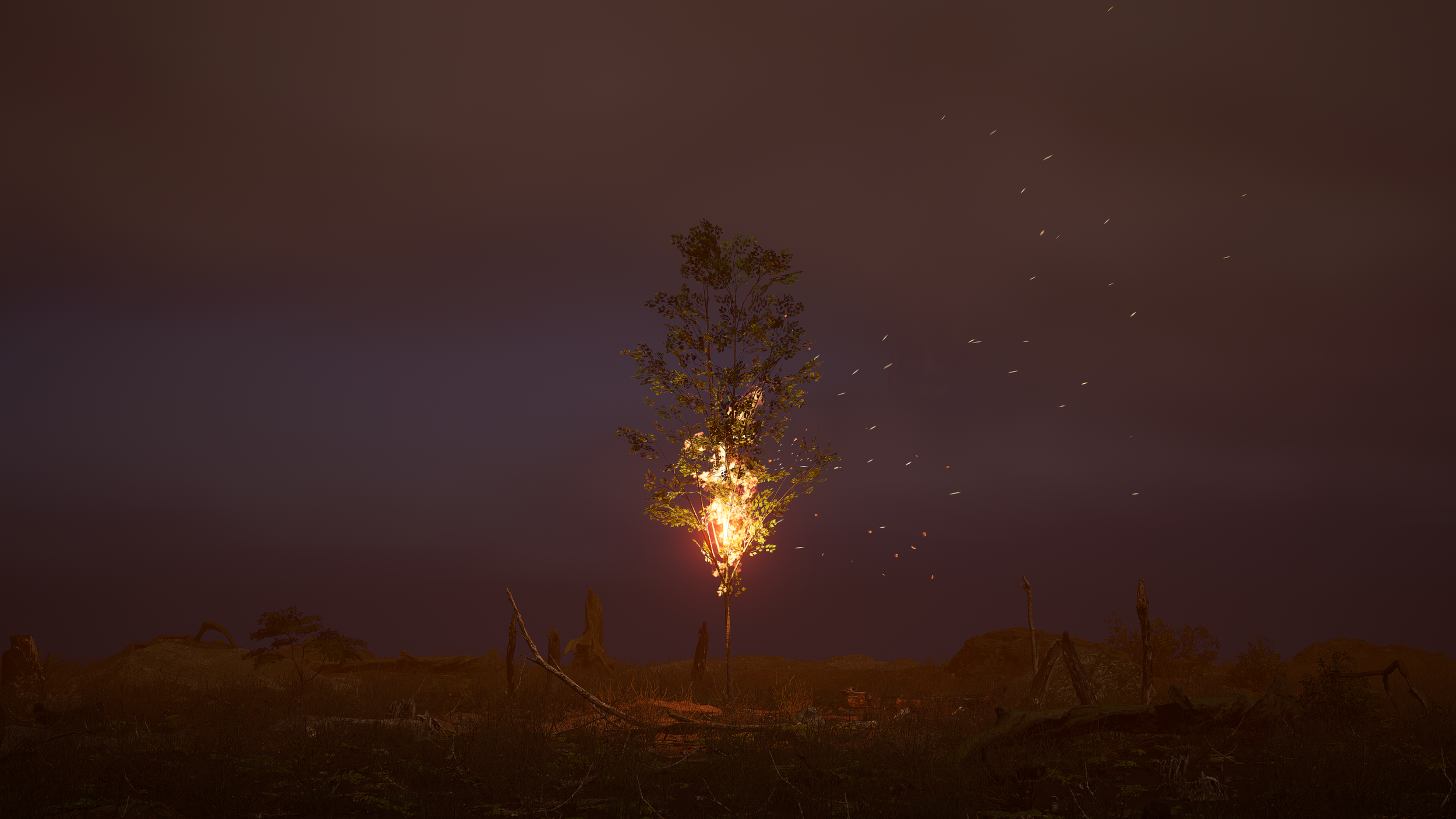
3. LAMENT H.E.A.T., Priyageetha Dia (2023). Photo © Priyageetha Dia.
As climate change continues to redefine landscapes, economies and communities worldwide, initiatives such as the Climate Biennial suggest that the arts are not simply documenting these transformations — they are helping society imagine how to navigate them.
We wanted the biennial to be accessible to an audience beyond those specialising in contemporary art, and that means offering very different formats as invitations to join in. Formats that are not typical of a contemporary art biennial but which allow someone who would never normally go to see an exhibition to have a first encounter with the questions we ask ourselves. Opening up the codes does not mean simplifying: it means making the thresholds permeable without sacrificing complexity.
- Amanda Masha, Artistic Director of the Climate Biennial
Ultimately, the programme aims to position Avilés as one of the main centres of cultural reflection on industry, architecture, urbanism and the ecological transition in Spain nowadays, serving as both an example and a metaphor for the transformations and challenges facing our contemporary society.
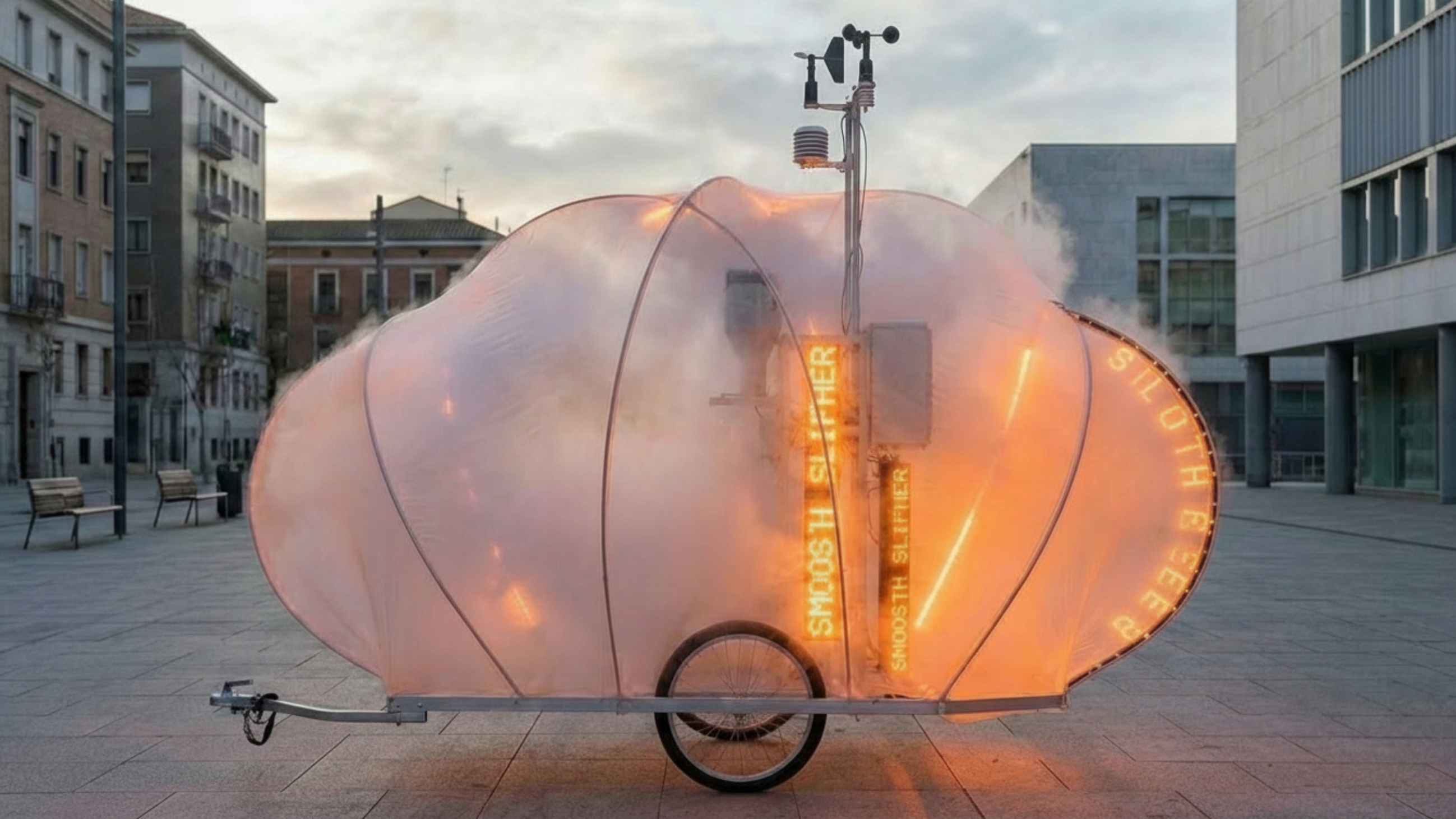
4. Artefacto Aula Móvil, Rotor Studio. Photo © Rotor Studio.
Cover Image: Collage cartográfico de Avilés (2024) Photo © Elisa Cuesta.
About the Author