How Seoul Fringe Festival is Reinventing Fair Practice
This article provides a glimpse into the artist-led model of the Seoul Fringe Festival, redefining how a performance festival can operate.
Can you imagine a future where artists did not just apply to participate in festivals, but had more agency and co-ran them?
In Seoul, this is no longer a hypothetical question. The Seoul Fringe Festival, one of South Korea’s longest-running platforms for independent and experimental art, has been quietly rewriting the rules of how performance festivals can operate.
Across much of the cultural sector, artists often face intense competition, tight deadlines, and selection processes that are not always transparent. Seoul Fringe has shifted the focus to collaboration, equity, and shared responsibility. The result? A radical experiment in fair practice that may hold lessons far beyond the Korean peninsula.
Examining cultural ecosystems in Asia and Europe reveals a growing interest in models that can move beyond symbolic commitments to create tangible, systemic change. The Seoul Fringe Festival, under the leadership of Director Gyohee Baek, offers one such example, demonstrating how a community-driven approach can make fairness in the arts feel both practical and achievable.
Why Fairness in the Arts Needs More Than Buzzwords
The conversation about fair practice in the arts is gaining momentum globally. But what does it really mean?
In South Korea, the stakes are high. While public funding for the arts is robust, it often leads to a bureaucratic narrowing of who qualifies as an “artist”. In fact, eligibility criteria tend to favour specific forms, genres, and profiles, leaving out many independent and experimental practitioners.
And this is exactly where festivals like Seoul Fringe come in. Founded in 1998, Seoul Fringe started as an alternative space for artists who did not fit into mainstream categories. Unlike most festivals, it operates as a 100% open-access platform, allowing artists to present their work without the need for curation or selection panels. However, even in this open system, challenges persisted, especially in South Korea’s competitive arts landscape, where venue scarcity, linguistic barriers, and market limitations often led to a "survival of the fittest" mentality.
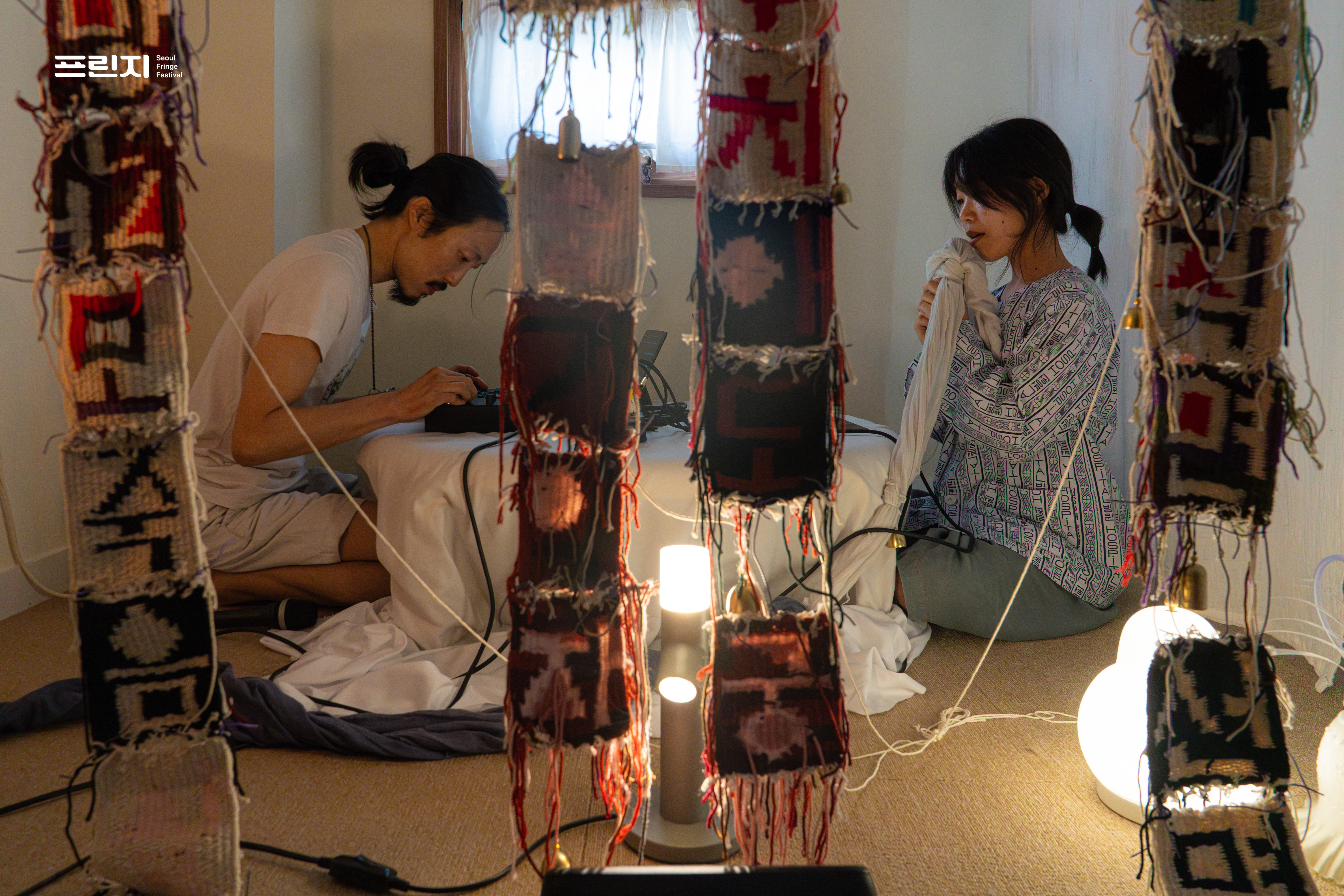
1. Artists bringing independent voices to life during Seoul Fringe 2025. Photo © Seoul Fringe Festival.
The Radical Shift: Artists Decide Everything
Since 2021, Seoul Fringe Festival has introduced a groundbreaking process that goes beyond “inclusion” or “diversity statements.”
They have handed over the reins to the artists themselves.
But how does it look in practice?
- Instead of the festival team dictating the schedule and venue allocation, artists meet together and collectively decide.
- The festival facilitates orientation sessions, venue tours, and technical meetings, but the final decision-making is in the hands of the participants.
- Before the process starts, all artists agree on a set of principles for peaceful communication, committing to fairness and mutual respect.
The first time this model was tested, some feared chaos would ensue. Would artists argue? Would negotiations collapse?
The reality surprised everyone.
The entire scheduling process — normally handled by producers over the course of weeks of back-and-forth — was completed in just 90 minutes. Artists openly shared their plans, negotiated overlaps, and resolved conflicts on the spot. They made faster decisions because, as Gyohee Baek notes,
“When you trust people to lead, they step up.”
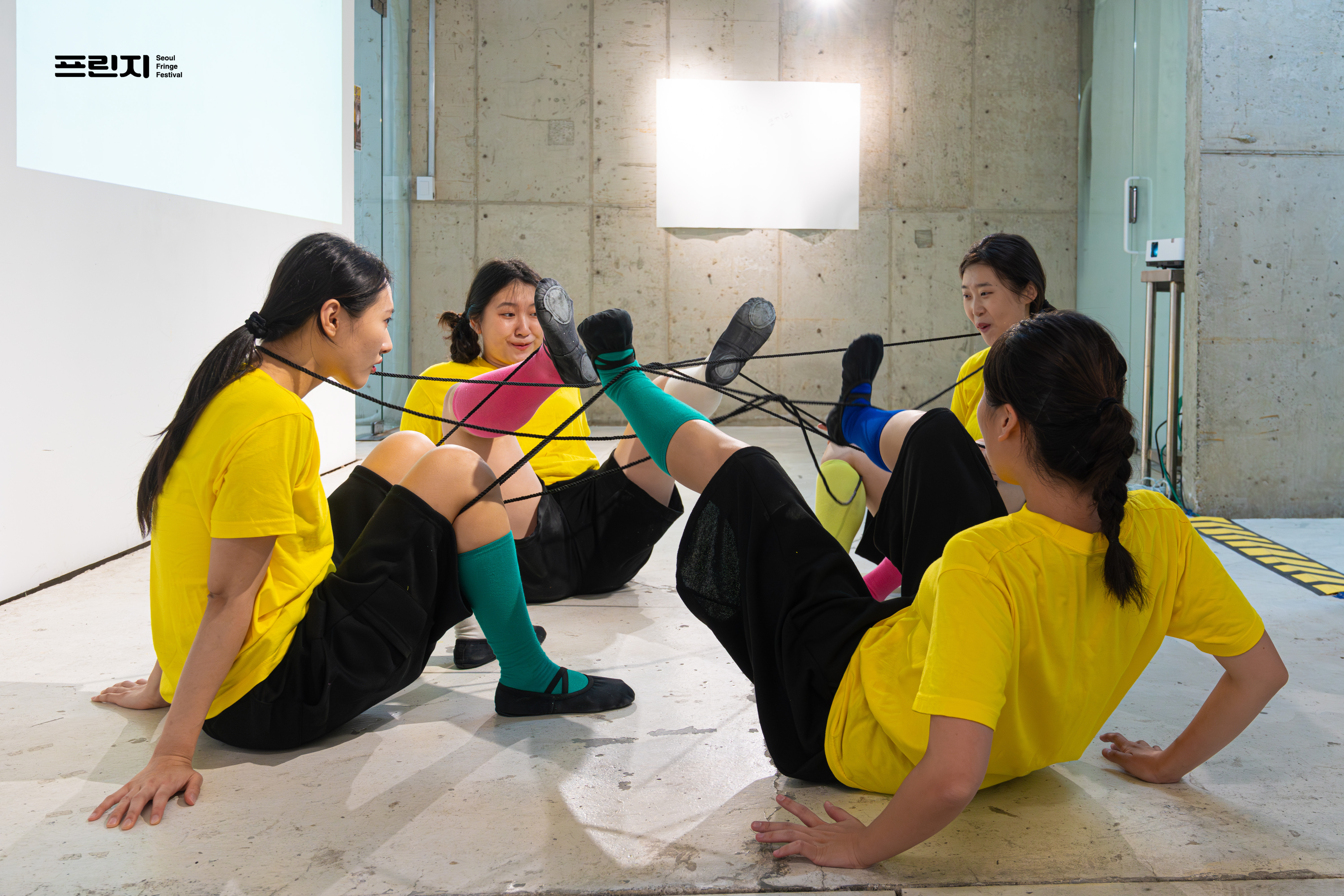
2. A glimpse into the energy and creativity of this year's Fringe Festival, where performance meets experimentation. Photo © Seoul Fringe Festival.
From Transactional to Relational: Building a New Cultural Ecosystem
At first glance, the process appears to be a logistical change. In practice, it has transformed how the festival community relates to and collaborates with one another, reshaping the cultural ecosystem around it.
In most festivals, artists compete for scarce slots, often in isolation. Seoul Fringe’s process has turned this logic on its head. By creating a space for dialogue and shared decision-making, artists are no longer passive participants but active co-creators of the festival structure.
As a result, they have built deeper relationships with each other, with the festival team, and with the audience. They have also taken on more responsibility, becoming proactive in outreach, marketing, and event production — not because they were told to, but because they felt a sense of ownership.
This model also contributes to the sustainability of the festival itself. Instead of burning out under top-down management, the festival team collaborates closely with the artists, sharing knowledge, logistics, and long-term planning.
Lessons Beyond Seoul: Why This Matters Now
Around the world, many cultural organisations are exploring how to strengthen equity and sustainability. The Seoul Fringe experience highlights how fair practice can emerge not only through policy but also by rethinking relationships, placing trust, and fostering collaboration at the centre.
It raises important questions for festivals, funders, and cultural organisations worldwide:
- What would happen if we replaced selection processes with trust-based systems?
- How do we move from symbolic equity statements to practical, structural change?
- Can cultural events become spaces for learning collaboration, not just showcasing work?
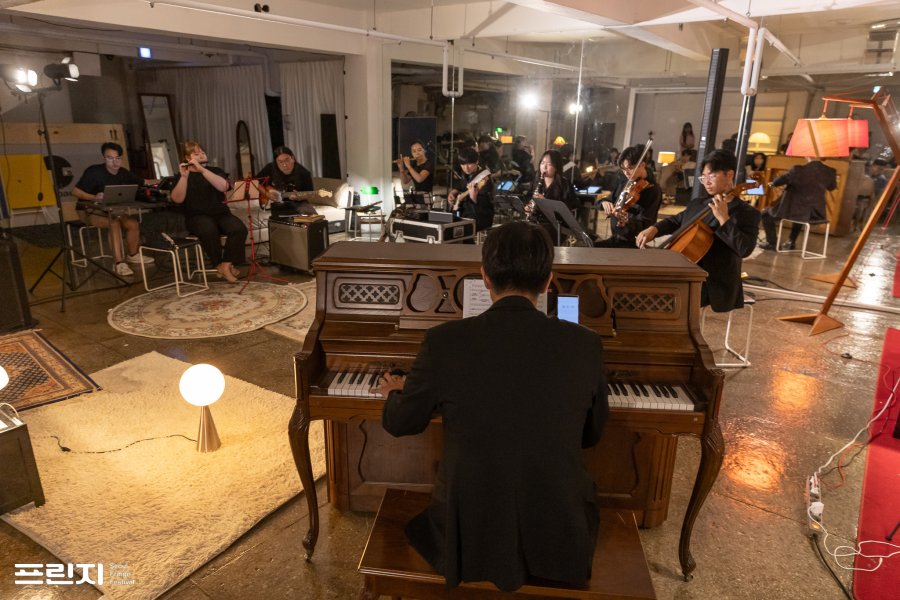
3. Moments that celebrate diversity, expression, and the unexpected connections born on stage. Photo © Seoul Fringe Festival.
Looking Ahead: Co-Creating What Comes Next
The 28th edition of the Seoul Fringe Festival took place in August 2025, with 96 artist teams coming together to meet, negotiate, and build the festival. Remarkably, not a single team cancelled or changed their showtime. For a festival of this scale, that was striking — something many attributed to the fact that artists themselves had determined their own schedules, deepening their sense of responsibility.
Sharing went beyond timetables: artists supported each other’s work, attending performances or sharing equipment when needed. These exchanges naturally evolved from discussions during the peer-scheduling phase, where ideas about themes, production processes, and the use of space were openly shared. The structure was not flawless, but by involving artists as direct stakeholders, the festival fostered stronger participation, responsibility, and a sense of community.
For anyone following the future of cultural practice, Seoul Fringe offers a window into how collaboration can reshape the way festivals are made. Rather than standing as a fixed model, it works like an ongoing experiment, each edition refining how responsibility and trust are shared.
As director Gyohee Baek puts it:
“The goal is not just to programme a festival, but to nurture a different way of being together."
This approach may not resolve every question about fairness in the arts, but it shows what can happen when structures are built on dialogue and reciprocity. In the process, Seoul Fringe is offering a glimpse of how cultural events can evolve as spaces of shared ownership, where artists, organisers, and audiences move forward together.
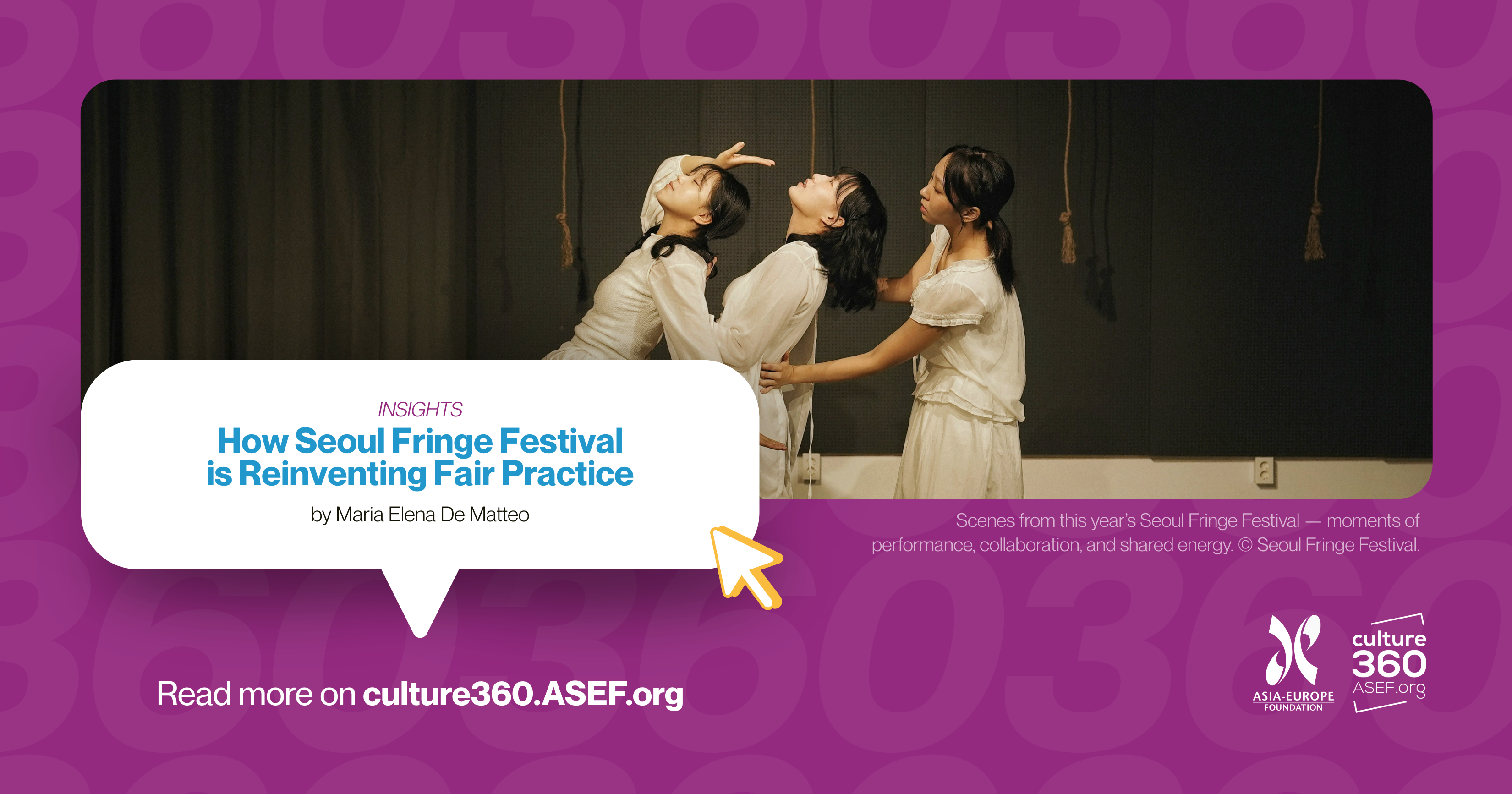
Cover image: Scenes from this year's Seoul Fringe Festival - moments of performance, collaboration, and shared energy. Photo © Seoul Fringe Festival
About the Author
Maria Elena De Matteo is a communications and sustainability strategist specialising in the intersection of arts, culture, and environmental impact. With extensive experience in both Asia and Europe, she founded We Move Waves, a consultancy that partners with cultural organisations, artists, and festivals to promote sustainable practices and social justice through creative campaigns. Maria Elena is also a certified environmental assessor for festivals and live events through A Greener Future and co-authored the EUNIC Sustainability Toolkit, launched in October 2024.